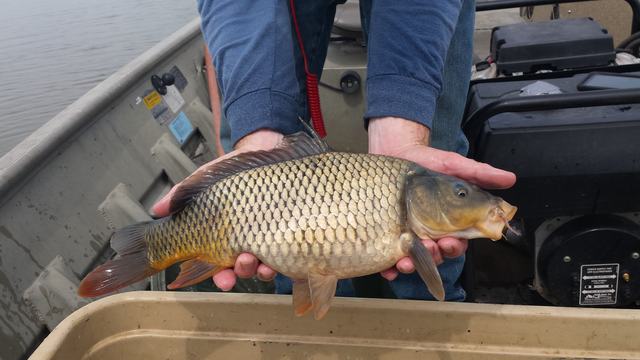
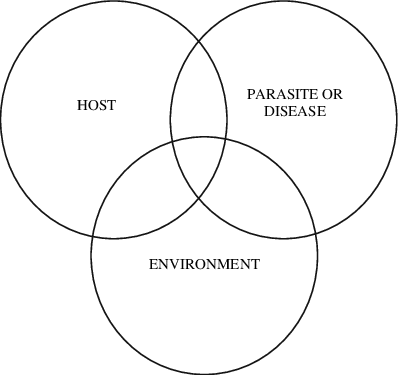
Fish are susceptible to a wide variety of bacterial pathogens and parasites. These organisms are almost always present in the water, but only become pathogens when fishes are physiologically unbalanced, nutritionally deficient, or there are other stressors (i.e., poor water quality, low dissolved oxygen, rough handling, overstocking, etc..), which allow opportunistic infections to proceed. That means that while it is sometimes possible to treat the disease, it is always cheaper and preferable to try and prevent the conditions in which a disease can become a problem.
Common Fish Parasites
- Ich or White Spot- Ichthyophthirius multifiliis
Ich is a ciliated protozoan parasite that can be highly contagious. Though the white spots are visible, a microscope is usually necessary to confirm an infection. Outbreaks can happen at any time, but they are often more frequent during times of rapidly changing water temperatures. The Ich life cycle is temperature dependent, so it speeds up with increasing water temperatures of spring. Treatment options include formalin, copper sulfate and potassium permanganate.
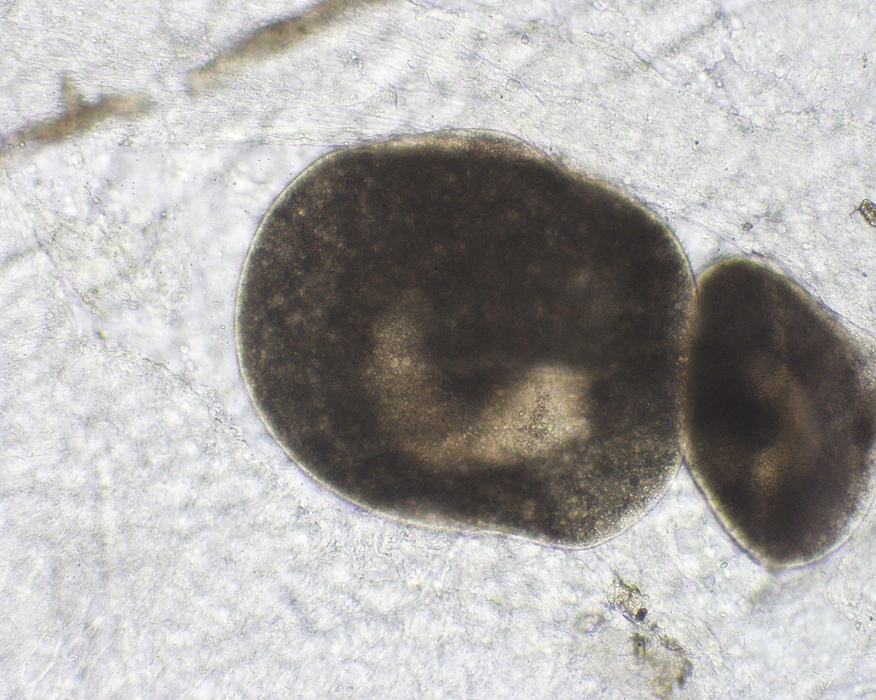
- Skin and Gill Flukes
There are two types of monogenean flatworms that are commonly seen on fish. They are the skin flukes (Gyrodactylus spp) and gill flukes (Dactylogyrus). Flukes can cause severe irritation, excessive mucus production, flashing (rubbing against surfaces), and rapid breathing or gasping at the surface. Heavy infestations lead to lethargy, clamped fins, appetite loss, skin redness, and increased susceptibility to secondary infections.
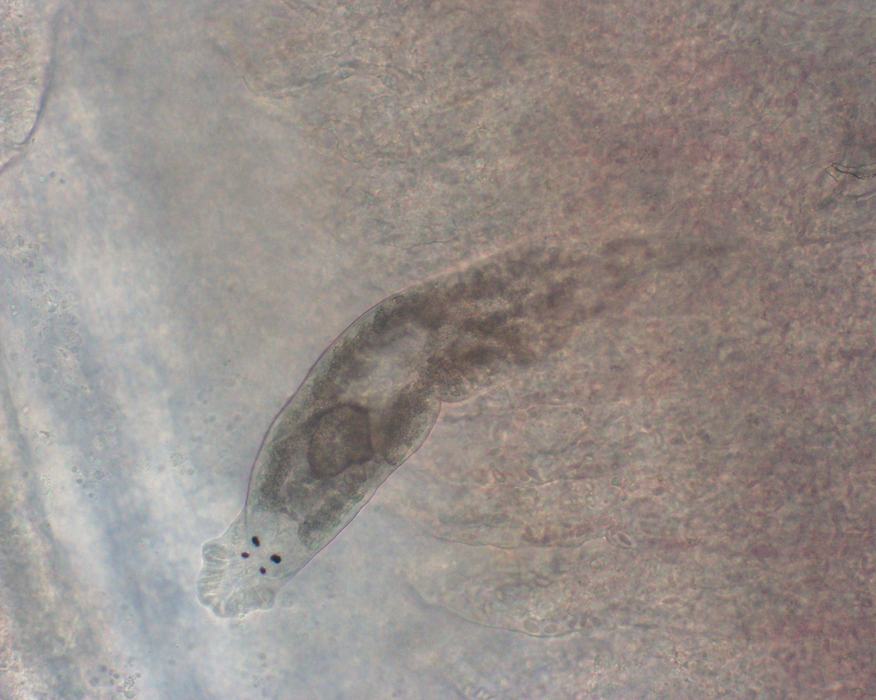
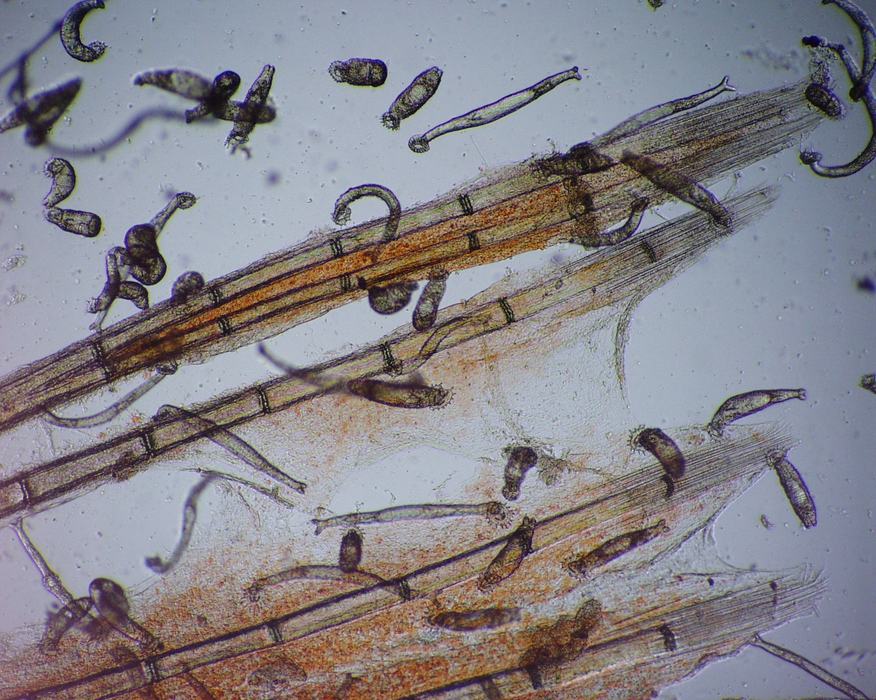
- Fish Lice
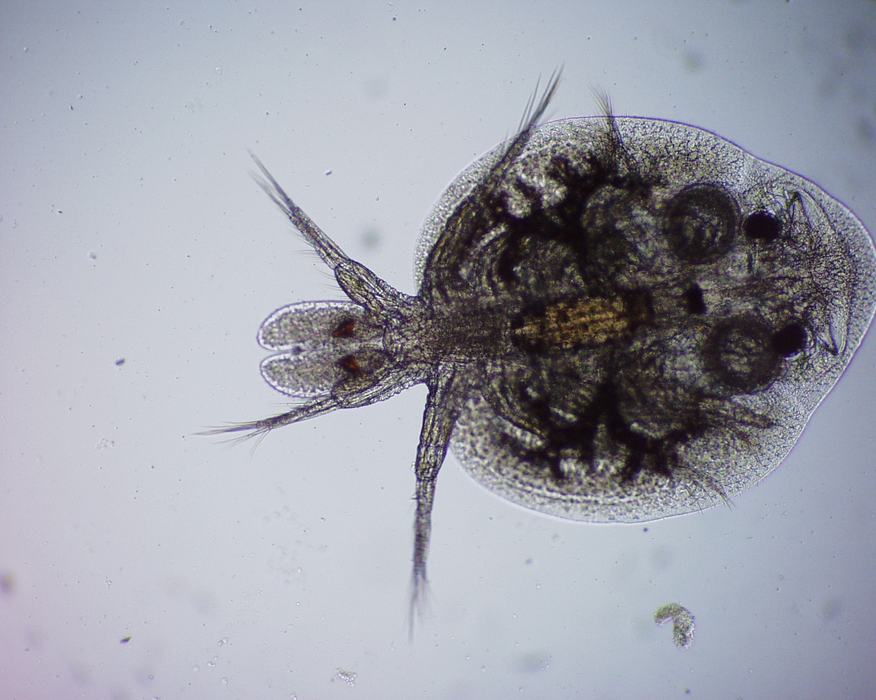
Fish lice (Argulus spp) are members of the crustacea family and can cause problems with fish in carp ponds. The sting of one fish louse can kill a small fish. They can appear as a flat disc up to ¼ inch in diameter. Many lice can sometimes collect on large fish and cause extreme irritation over the body surface.
- Anchor Worm
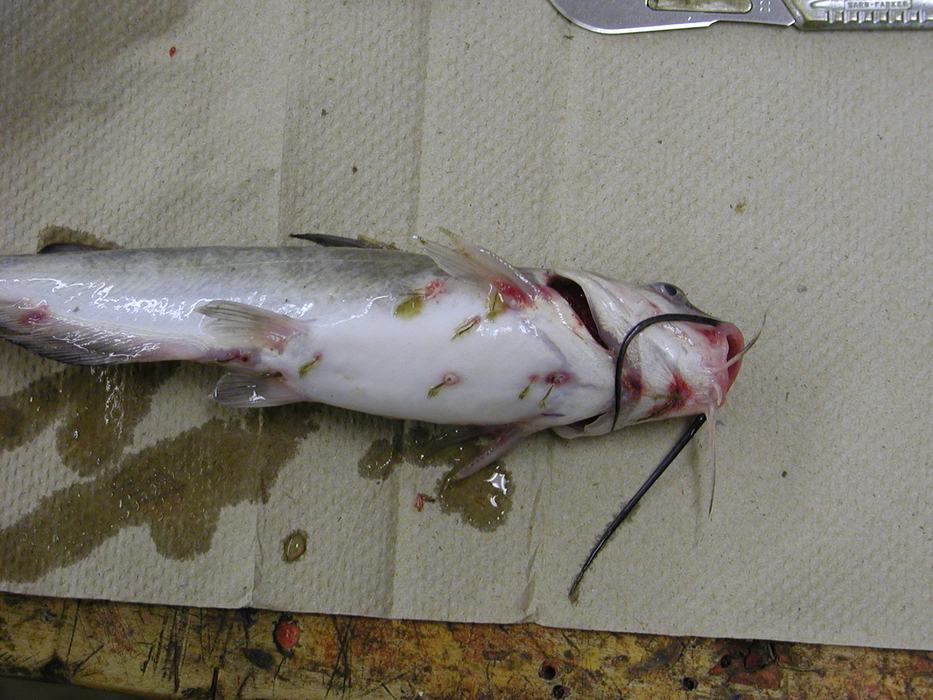
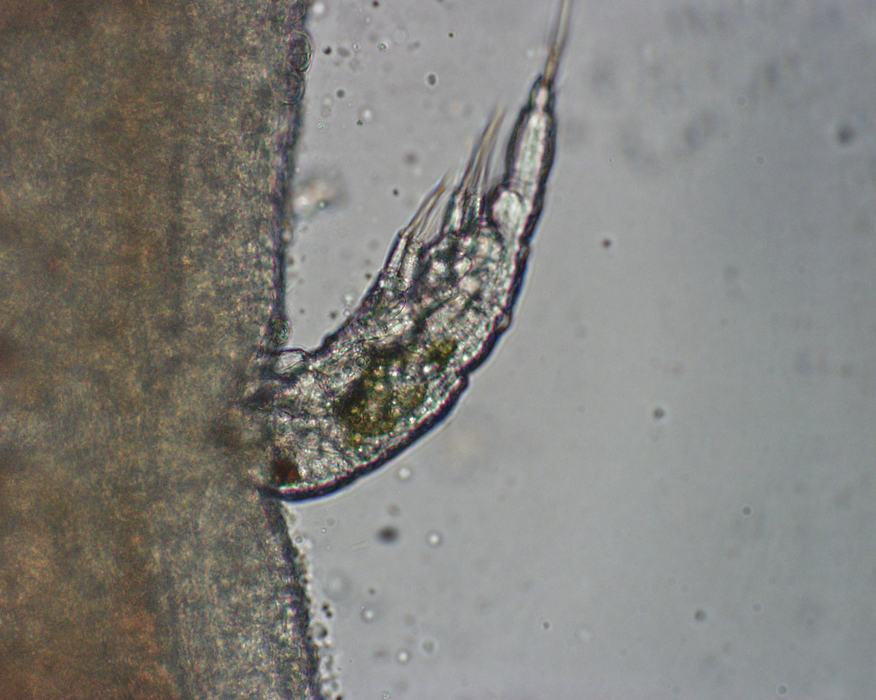
Anchor worms (Lernea spp) are also crustaceans (copepod) and is visible to the unaided eye as an adult. The larvae may be suspected when red spots are seen near the bases of fins and the fish are sometimes seen twitching or flashing. The anchor parasite affects a large number of warmwater fish, particularly golden shiners, goldfish, fathead minnows, buffaloes, and grass carp. The female larva burrows into the fish and grows out as a short splinter-like extension. A large fish can support a large number of these parasites, but a small fish can be killed by even one of them. The parasite seems to have an affinity for the heart region of small fish and often kills by piercing the heart or other vital organs. In larger fish the mortality is much lower and death occurs slowly, sometimes due to electrolyte (salt) loss through the wounds made by the parasites, or from a secondary fungal or bacterial infection of the wound. Lernaea is extremely difficult to control because only the free-living larvae are susceptible to treatment. The adult female produces three sets of eggs, after which she dies; these eggs produce larvae over about a 4-week period. Since the larvae remain free-living for about 1-week, it is necessary to treat once a week for 4-weeks to eliminate this parasite.
Fungal Infections
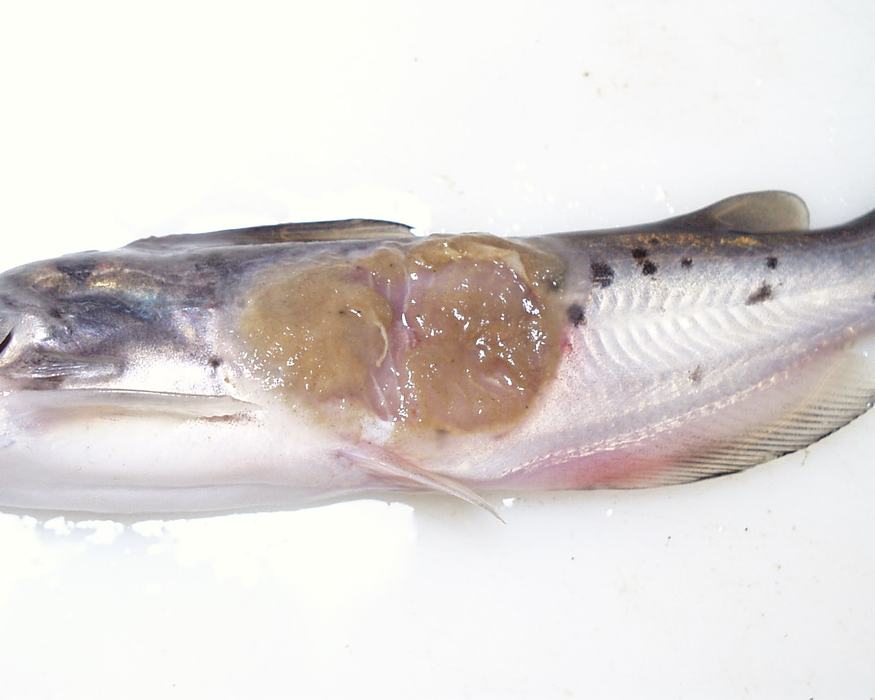
In fishes, external fungus (usually Saprolegnia spp) appears in the form of fuzzy gray-white or dirty brown patches on the body. Fungal infections are typically a secondary infection that follows a primary bacterial infection, parasitic or mechanical injury, or other trauma. Primary fungal infections are usually preceded by an environmental stressor, such as low oxygen. These infections usually occur in late winter or early spring. Lesions occur almost anywhere on the body of fish, often appearing "dirty" because they collect debris from the pond. This is a difficult disease to treat because the mycelium (mature parts of the fungus) cannot be killed or removed; therefore, the zoospores (free-living units) must be killed.
Bacterial Infections
Fish bacterial infections are typically opportunistic, caused by stress, poor water quality, or injury. Common signs include frayed fins, open red ulcers, cloudy eyes, and abdominal swelling. Treatment requires improving water conditions and using aquatic antibiotics, while preventative measures focus on water quality and nutrition.
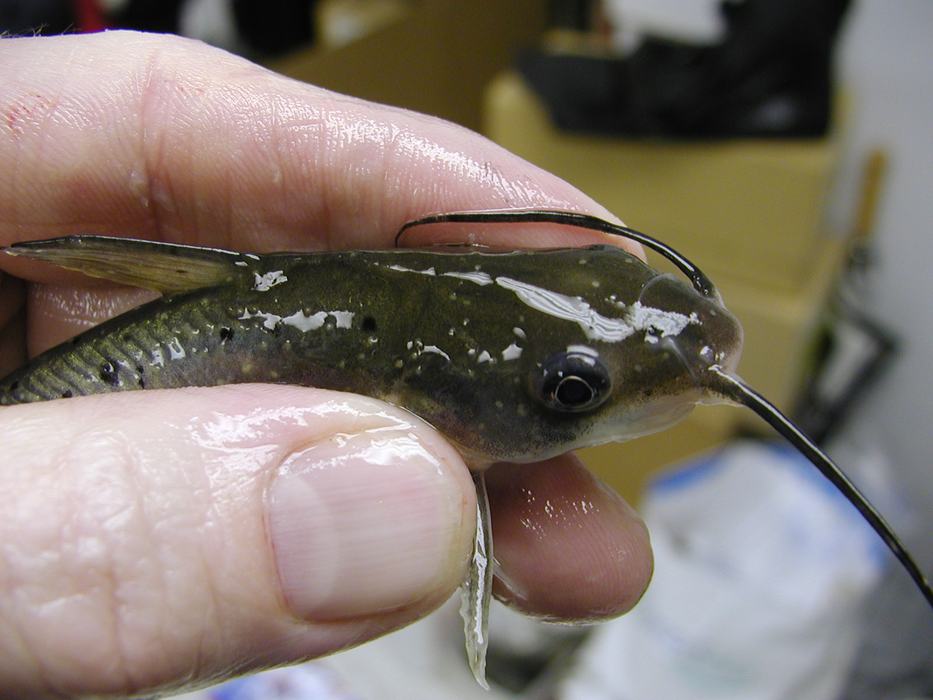
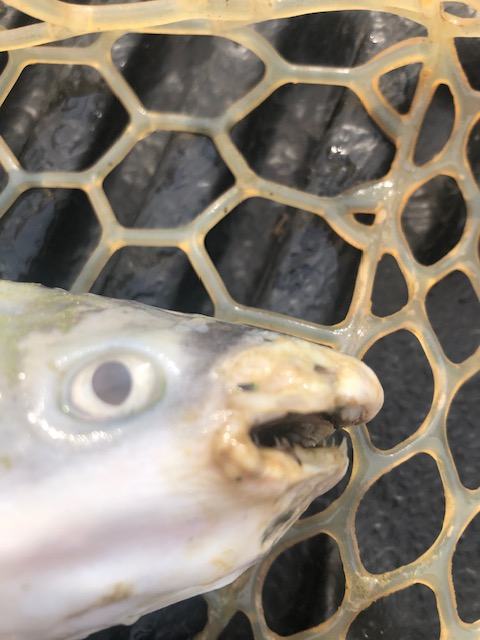
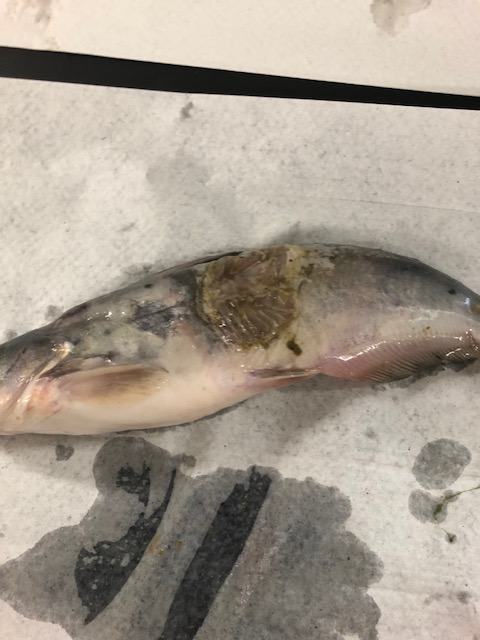
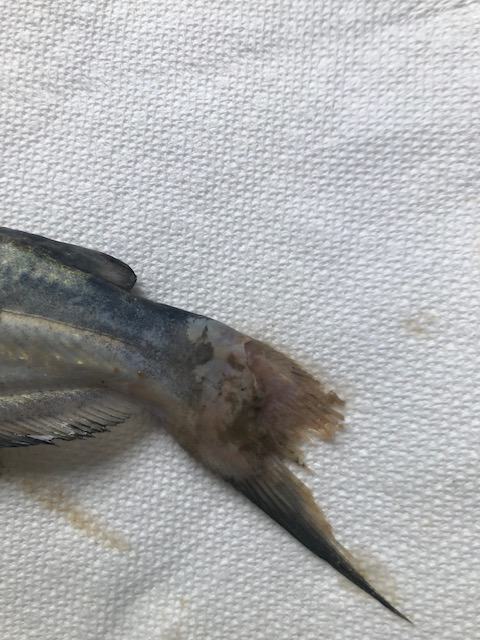
Flavobacterium columnare is one of the most significant, and common, stress-related warmwater fish pathogens, and the cause of the well-known columnaris disease. It shows up on scaled fish as dull patches on the sides with some scale loss, and often the fins - particularly the caudal fin - are badly frayed. In advanced cases, the tail fin is lost and the musculature is eroded to the bone. In sunfishes, a lesion often appears just behind the pectoral fin and frayed fins are common. On scaleless fish, such as catfishes, the lesions appear as dull patches (caused by lack of mucus) which often pass under the belly or over the back, giving a saddle-back appearance. In channel catfish the fin and barbels become badly eroded, and sometimes a yellowish hue is seen on the mouth. If possible, the bacterial infection should be verified microscopically and by culture. The organism is everywhere and almost always present in the water. It can cause disease problems throughout most of the year, but is at its worst during the summer. Under the right conditions, mortality rates can be quite high. External treatments can kill free bacteria and some of the bacteria that is present on the skin, but an anti-biotic feed is the only treatment for a systemic internal infection.
Treatments:
Potassium Permanganate
- Treats external protozoa (costia, chilodonella, ich, etc); gill flukes & skin flukes (dactylogyrus, gyrodactylus); fungus; external bacterial infections.
- Treatment rates are 1-5ppm, but the typical rate is 2ppm (5.4lbs/acre*ft).
Use of Potassium Permanganate in Fish Ponds FA23
Use of Potassium Permanganate in Fish Ponds FA23
Copper Sulfate
- Treats external protozoa (costia, chilodonella, ich, etc).
- Treatment rates are 0.4-1.0ppm, adjusted based on alkalinity of the pond.
Lbs CuSO4 = ppm alkalinity/100 * pond volume in acre*ft * 2.7.
Copper sulfate should not be use in ponds with alkalinity lower than 40ppm
Use of Copper in Freshwater Aquaculture and Farm Ponds FA13
Use of Copper in Marine Aquaculture and Aquarium Systems FA165
Formalin
- Treats external protozoa (costia, chilodonella, ich, etc); fungus.
- Pond treatment rates are 15 to 25 ppm (4.5 to 7.5 gal/acre*ft)
Use of Formalin to Control Fish Parasites VM77
Salt
- Salt is commonly used in aquaculture for many reasons.
- Concentrations of 0.5-1.0% (5-10 parts per thousand (ppt)) is used as a osmoregulatory aid to relieve stress, typically during handling and transport.
- A 3% (30 ppt) concentration can be used as a short-term parasite dip (10-30 min).
- Salt is also added to ponds to raise the chlorides levels in water to prevent brown blood disease (nitrite poisoning) in those species that are susceptible. You want to raise the chloride levels to 60-100 ppm. This needs 270-450 lbs of salt per acre-ft. Common carp can susceptible to this disease.
- Consult link below for details.
Use and Application of Salt in Aquaculture NCRAC 105
Diquat Dibromide
- Treatments can be used for the bacteria that causes columnaris.
- Treatment rates are 2-18 ppm on 1, 2, 3, or 4 consecutive or alternate days for 1-4 hr.
Diquat for Infectious Disease Control in Fish
Efficacy of Reward to Control Mortality Associated with Columnaris Disease in Walleye DRIB 50
Dylox (active ingredient Trichlorfon)
- Dylox has been used to treat skin and gill flukes, and crustacean parasites such as fish lice and anchor worm
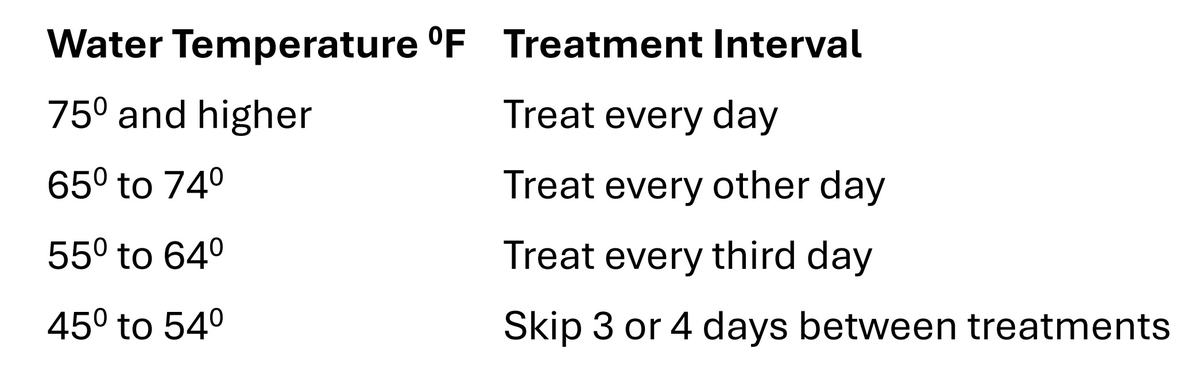
- Typical treatment rate is 0.25-0.5ppm. Skin and gill flukes (dactylogyrus, gyrodactylus) (0.5ppm), anchor worm (lernaea) (0.25ppm), fish lice (argulus)(0.5ppm). Dylox breaks down very quickly at higher water temperatures. Above 85F it is ineffective. Dylox is not legal for use in ponds. Dylox can also be quite toxic to fish.
DYLOX@ as a Control for Ectoparasites of Fish
Dimilin 25W (active ingredient Diflubenzuron)
- Has a label in Arkansas to treat anchor worm (lernaea), but would also be effective against fish lice (argulus).
- For treatment rates the Dimilin 25W label should be consulted. This chemical is only legal for use in ponds used for commercial culture of bait and ornamental fish.
Calculating treatments for ponds and tanks